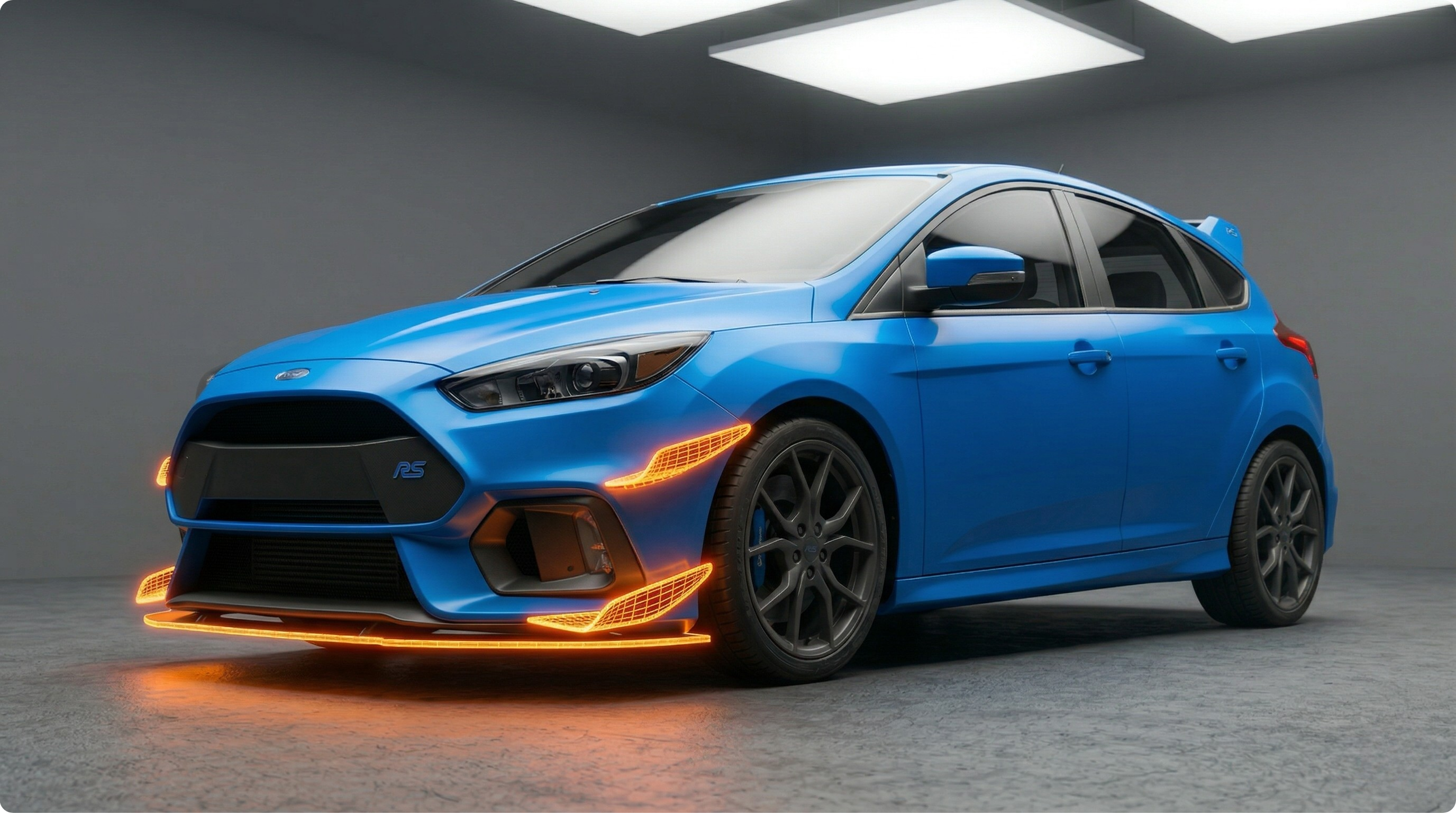
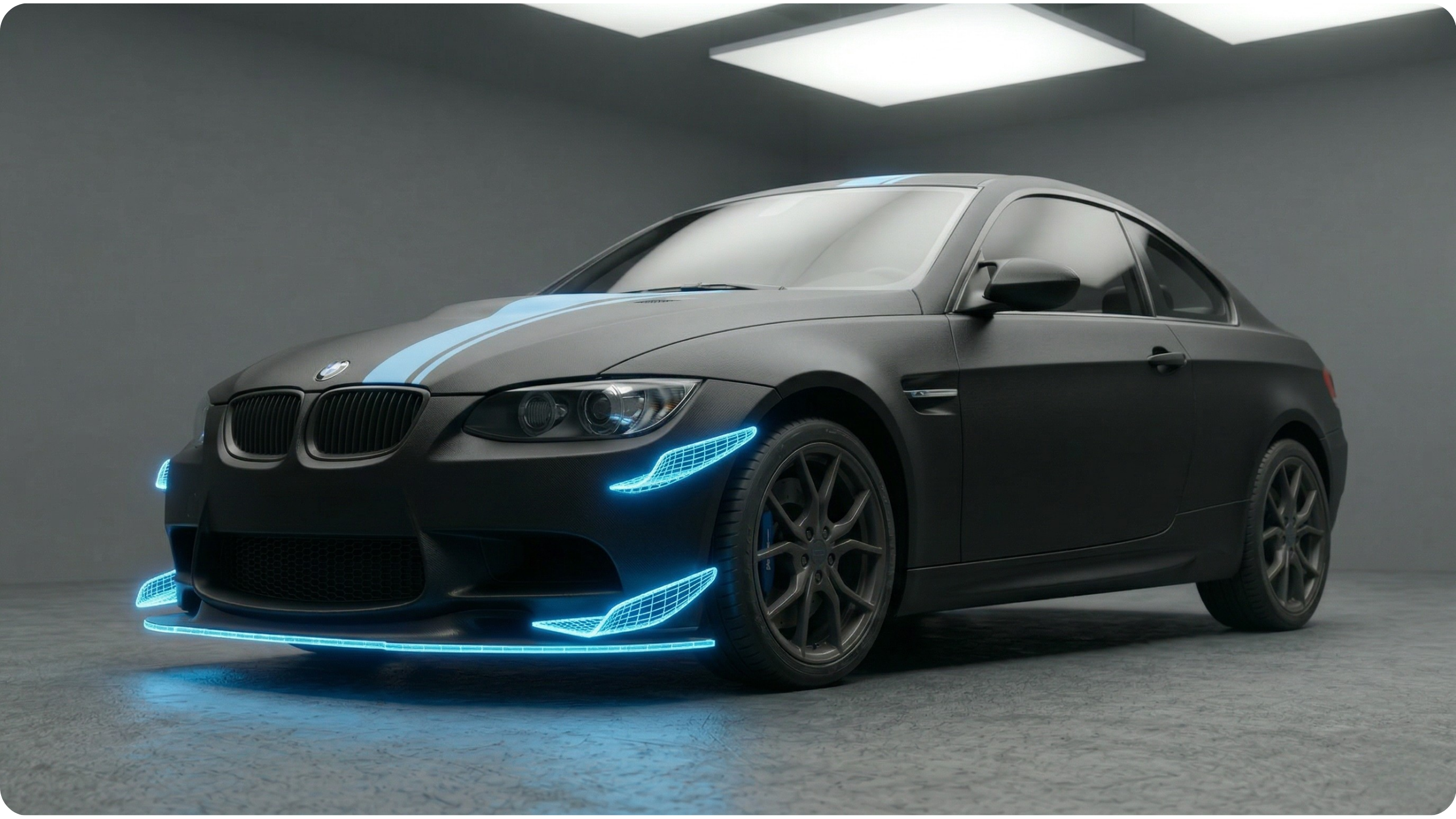
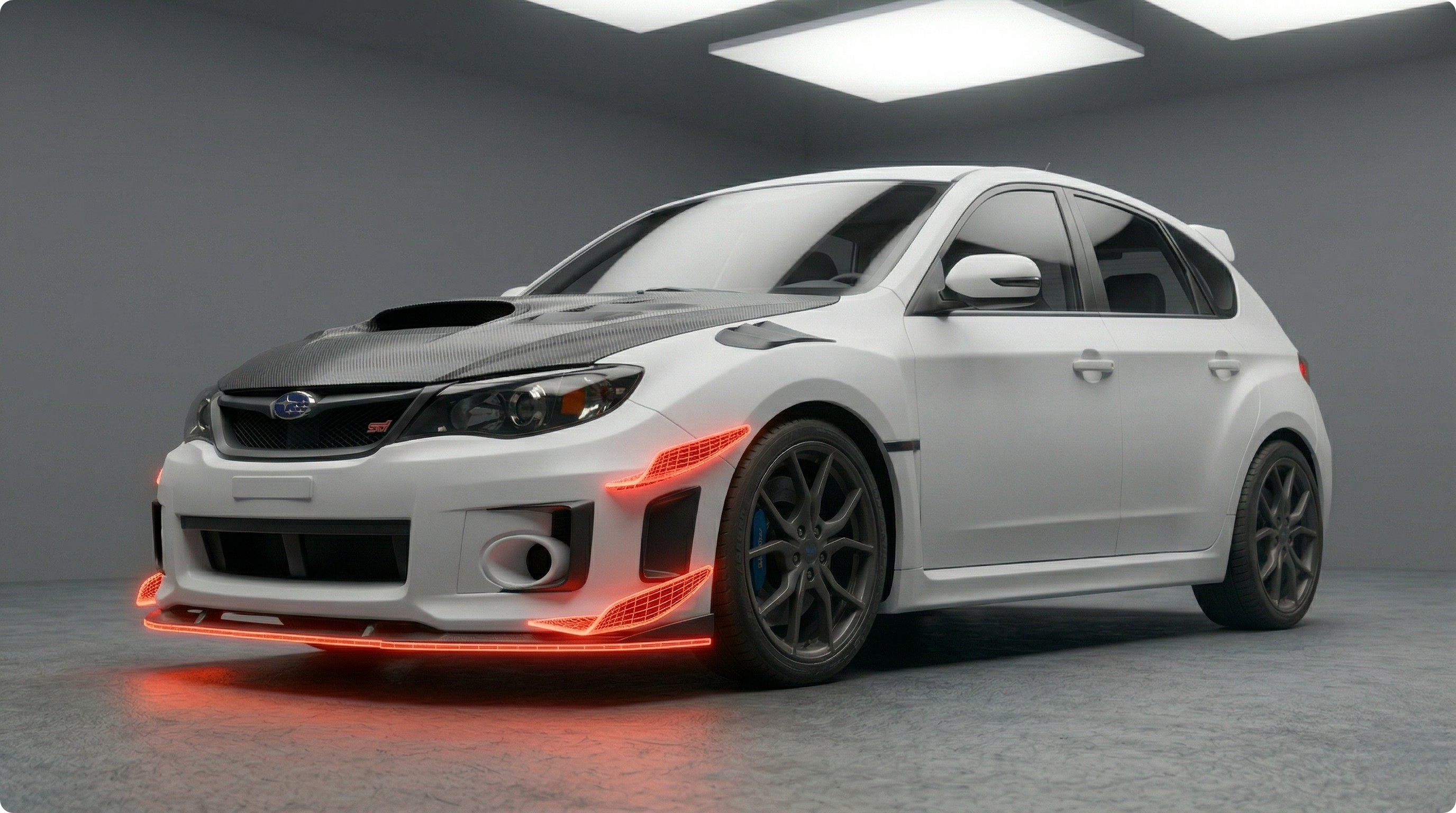
Step 01 — Analyze
Streamline Analysis
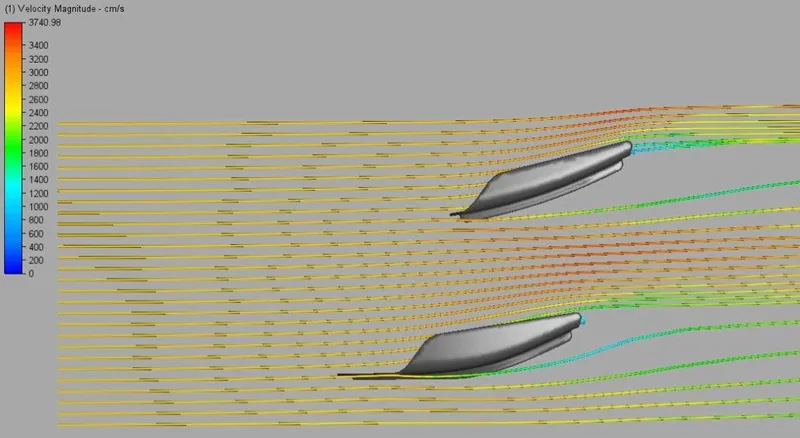
Cool blues indicate slower air, hot reds show acceleration — revealing exactly how a shape redirects airflow and where turbulence begins.
CFD-Engineered | 3D-Scanned | 3D-Designed | 3D-Printed
Computational Fluid Dynamics (CFD) is a branch of fluid mechanics that uses numerical analysis, data structures, and computer simulation to analyze and solve problems involving fluid flows, heat transfer, and related physics.
Cool blues indicate slower air, hot reds show acceleration — revealing exactly how a shape redirects airflow and where turbulence begins.
High-speed zones show where air accelerates around the canard profile, generating the low pressure that creates downforce.
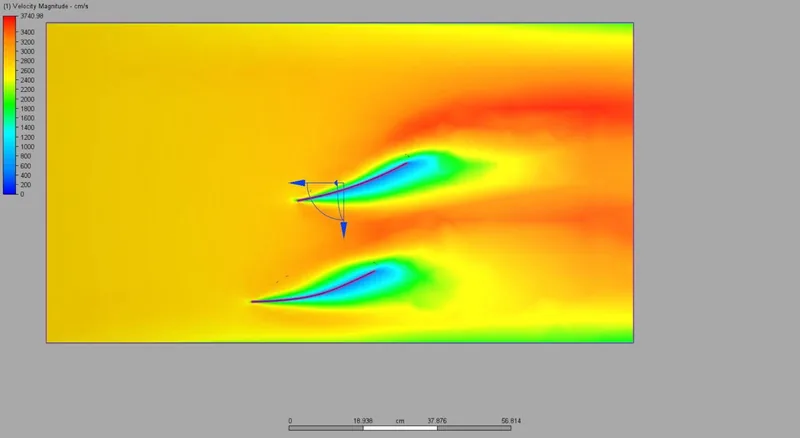
Each design runs through a full virtual wind tunnel — replicating inlet velocity, boundary layers, and ground effect.
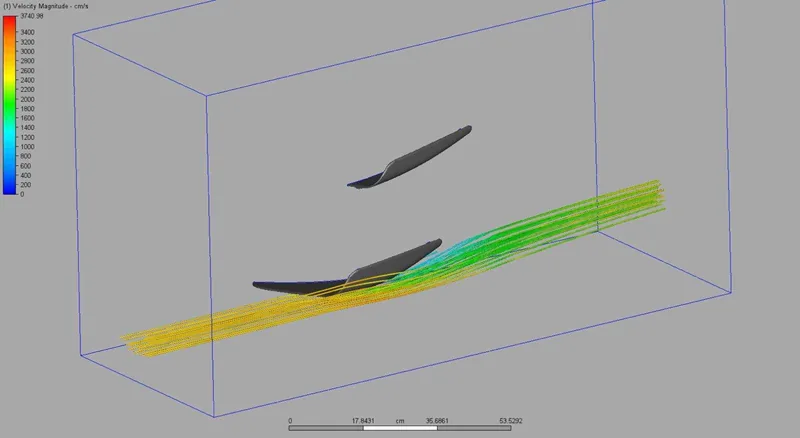
Every canard is chassis-scanned and CFD-validated before printing. Flow visualization overlays confirm real-world aerodynamic behavior.
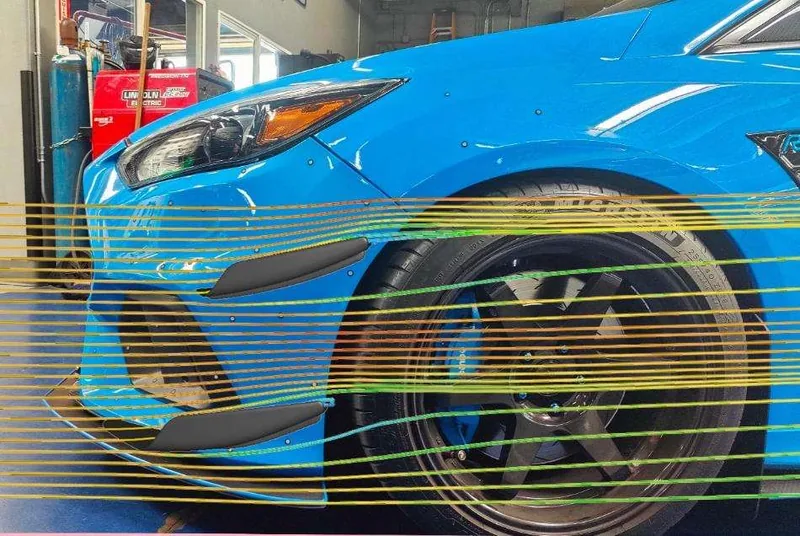
All simulation data from AeroAdix R35 GTR canard development
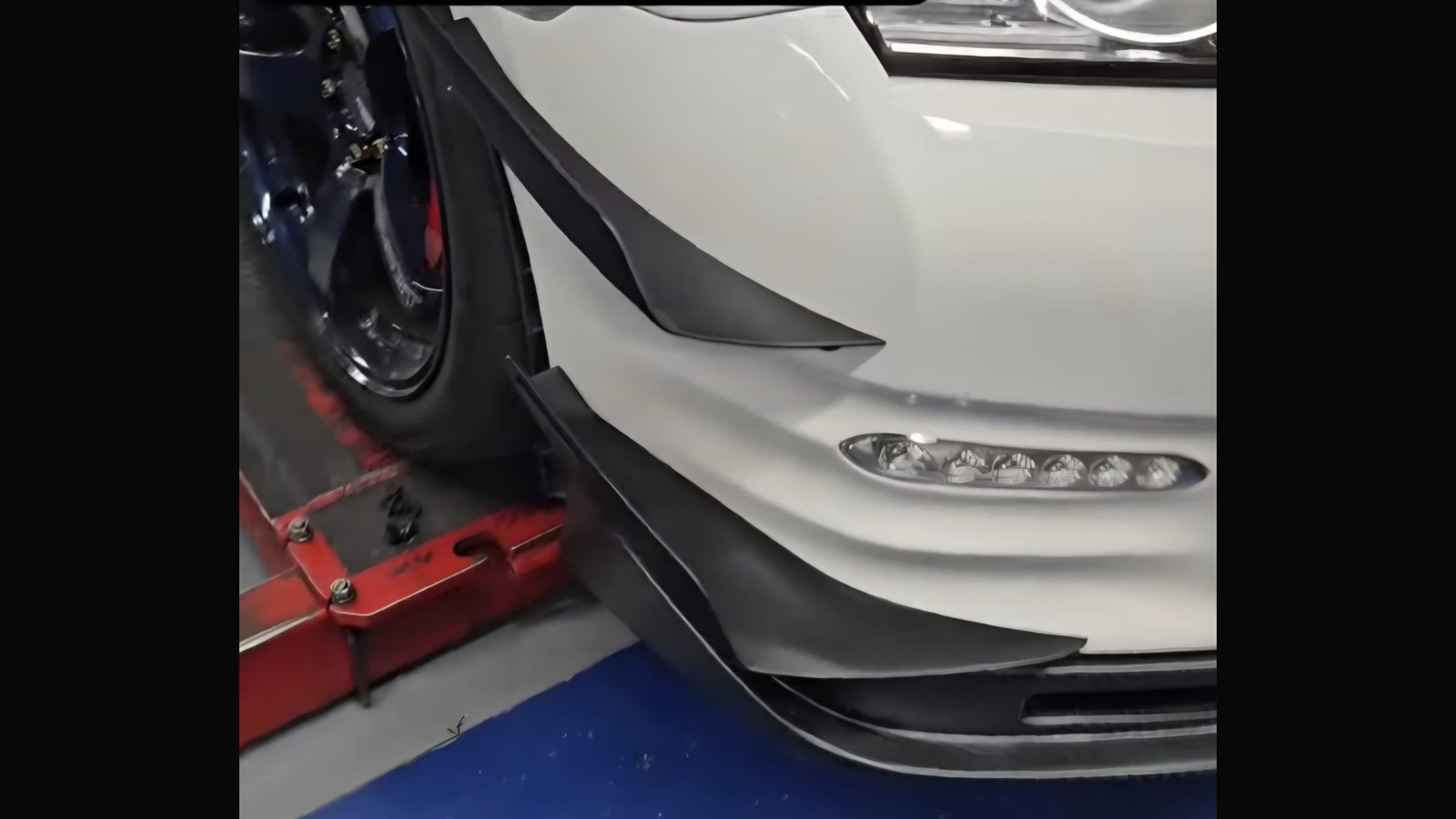
Every build starts with a sub-millimeter 3D scan of the factory chassis. No assumptions — just data. The result is OE-Plus aero that fits like it came from the factory.
Each profile is tested in full Computational Fluid Dynamics simulation. Downforce targets, drag coefficients, pressure mapping — solving Navier-Stokes equations to visualize pressure, velocity, and temperature.
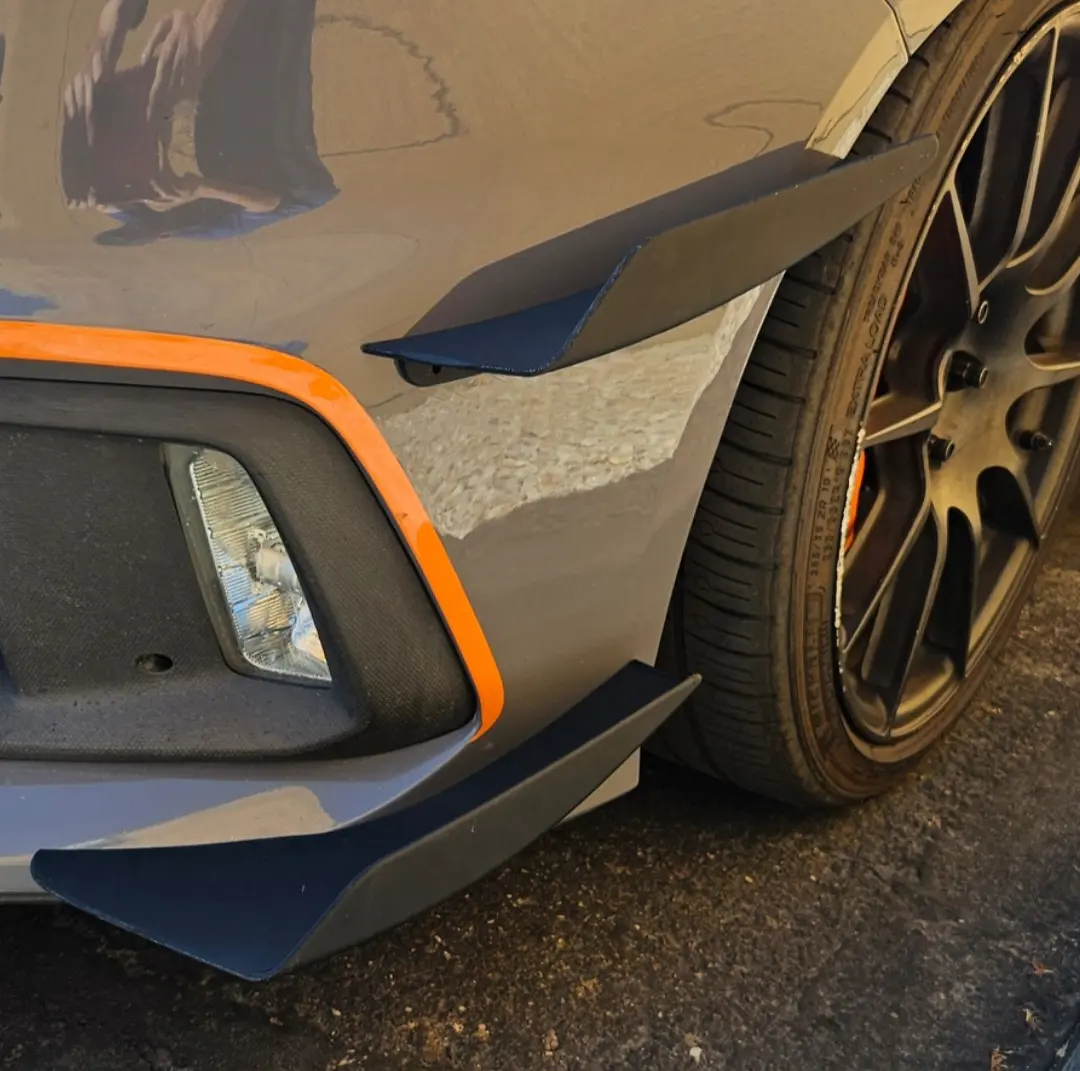
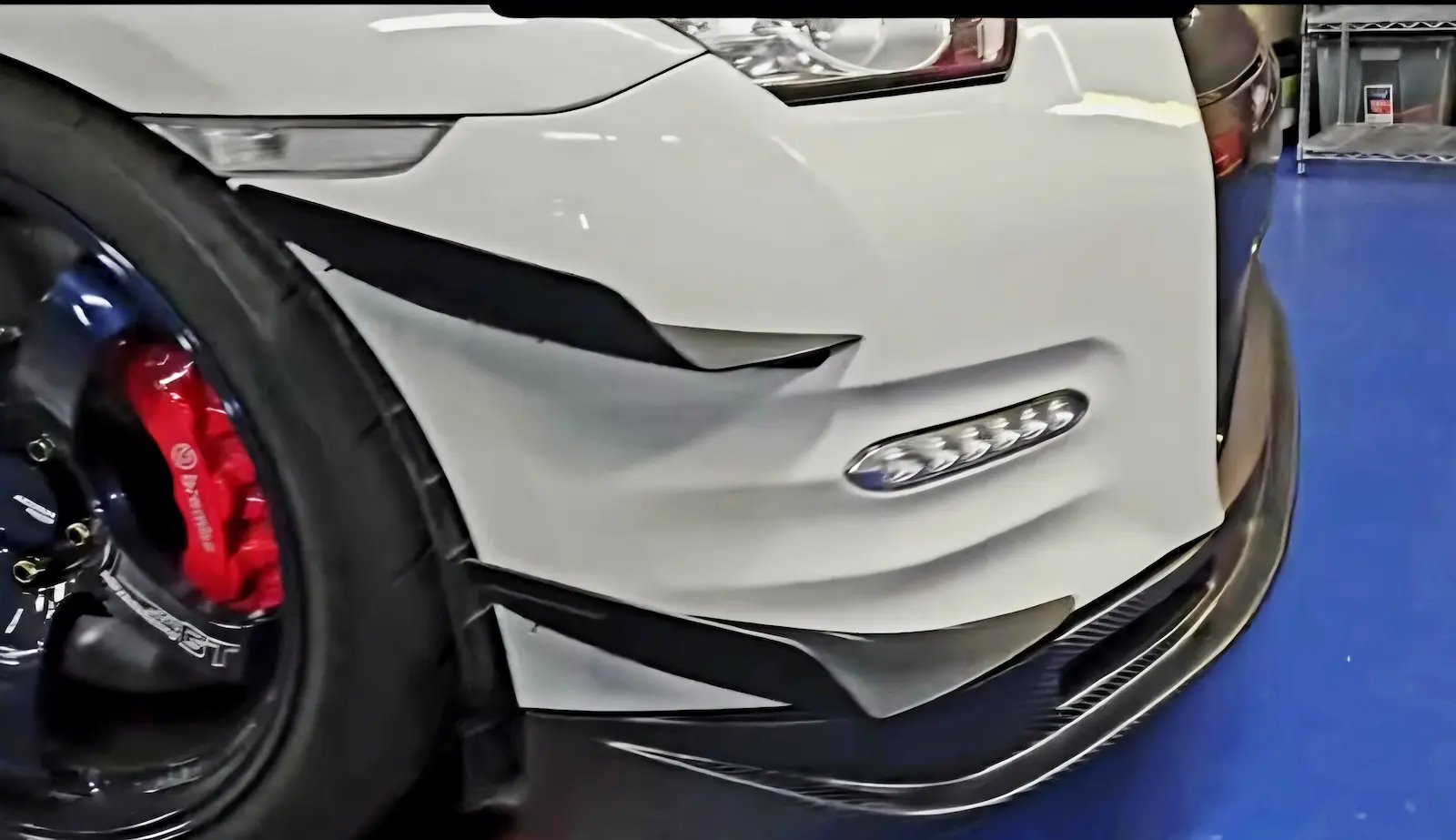
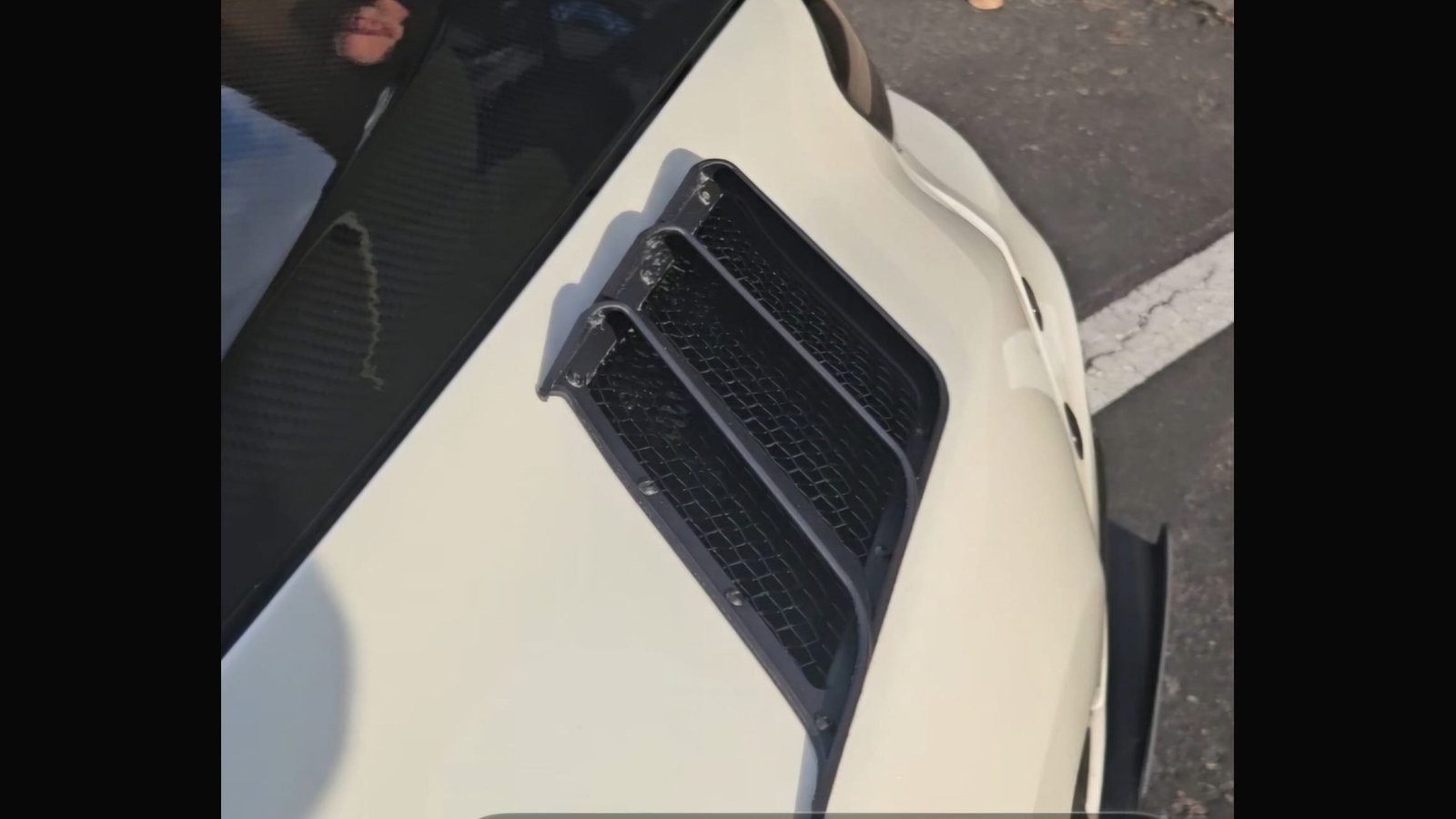
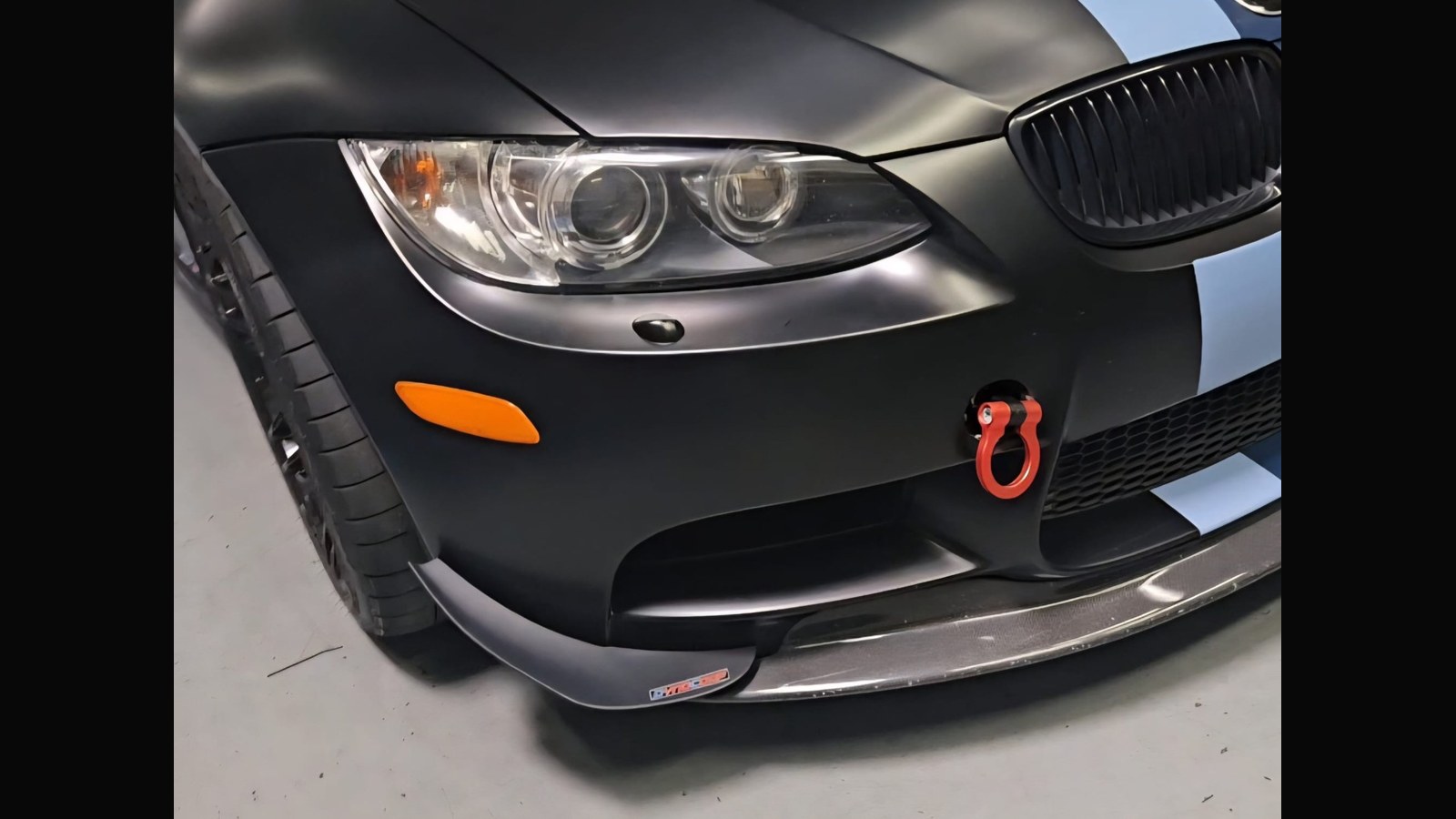
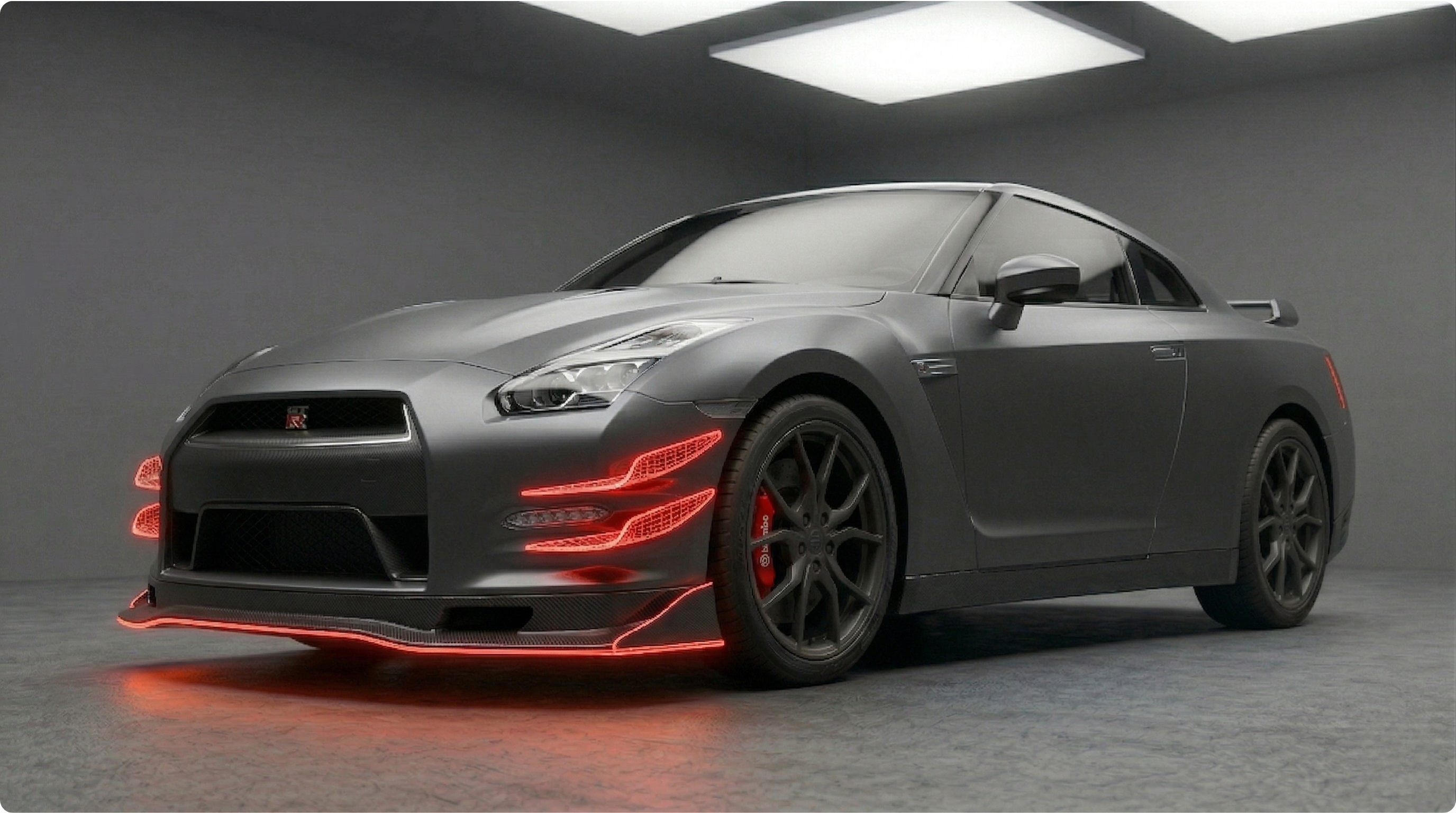
Production-grade additive manufacturing unlocks geometries that injection molding and hand layup can't touch. Functional additive aero, direct fit bolt-on — printed with purpose.

Richard Garcia didn't start AeroAdix by reading about aerodynamics. He started it by going fast and figuring out what breaks.
25 years in the game — from studying mechanical engineering at Arizona State University to the Chrysler Proving Grounds, where he contributed to the Diamond-Star Motors collaboration between Chrysler and Mitsubishi. He cut his teeth on the 3000GT VR-4, Dodge Stealth Twin Turbo, Eclipse GSX, Eagle Talon TSi, and early Dodge Viper development.

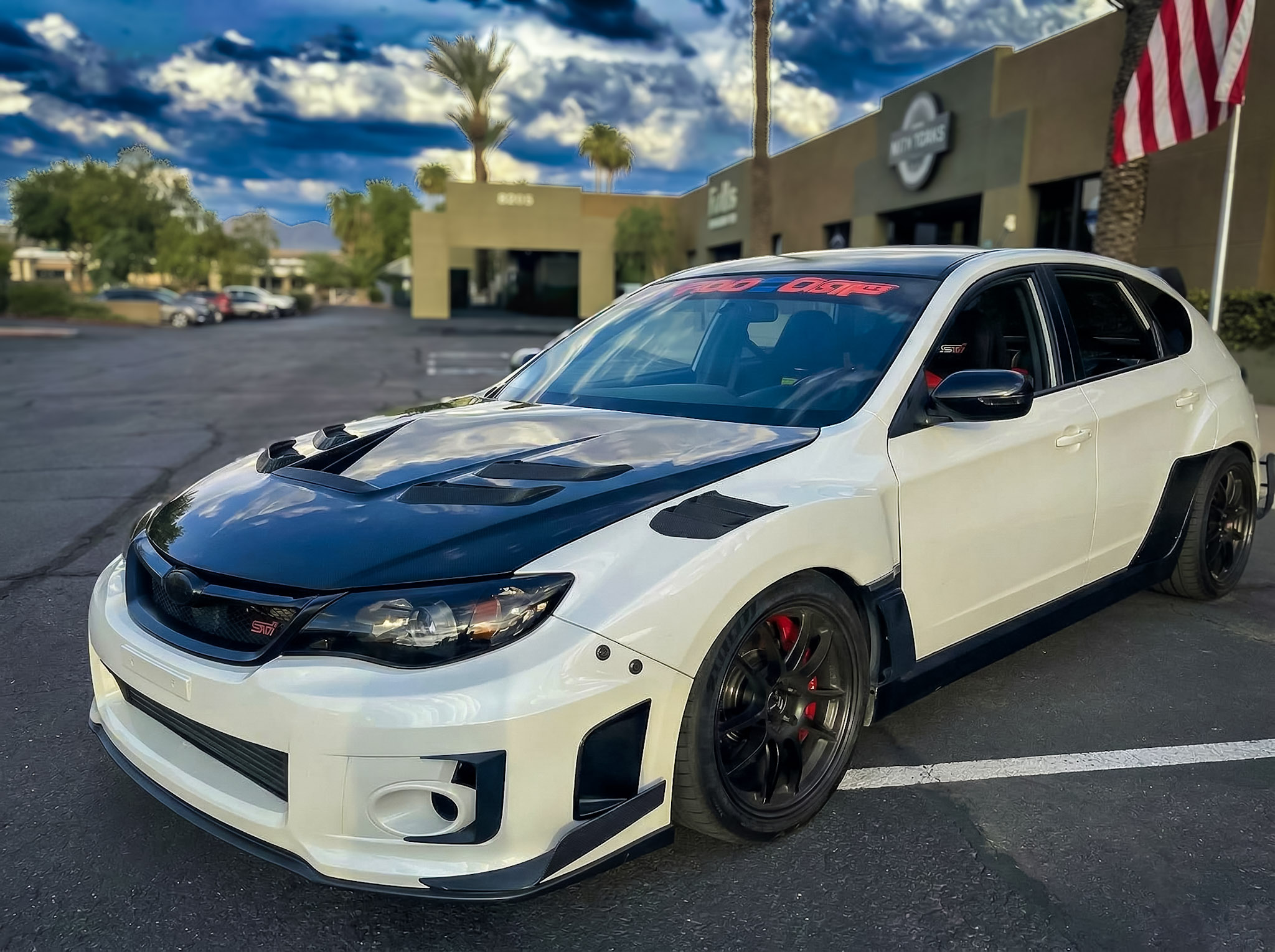
In 2001, he founded DynoComp Inc. — profitable in its first year and eventually recognized as one of the top tuning shops in the United States. ECU calibration, dyno tuning, suspension dynamics, performance product design — if it made a car faster, Richard built it, broke it, and rebuilt it better.
After a quarter century of making other people's cars faster, he turned that knowledge into something you can bolt on. AeroAdix components are designed from track time, not CAD guesswork — every canard, vent, and front lip exists because it solved a real problem at real speed.
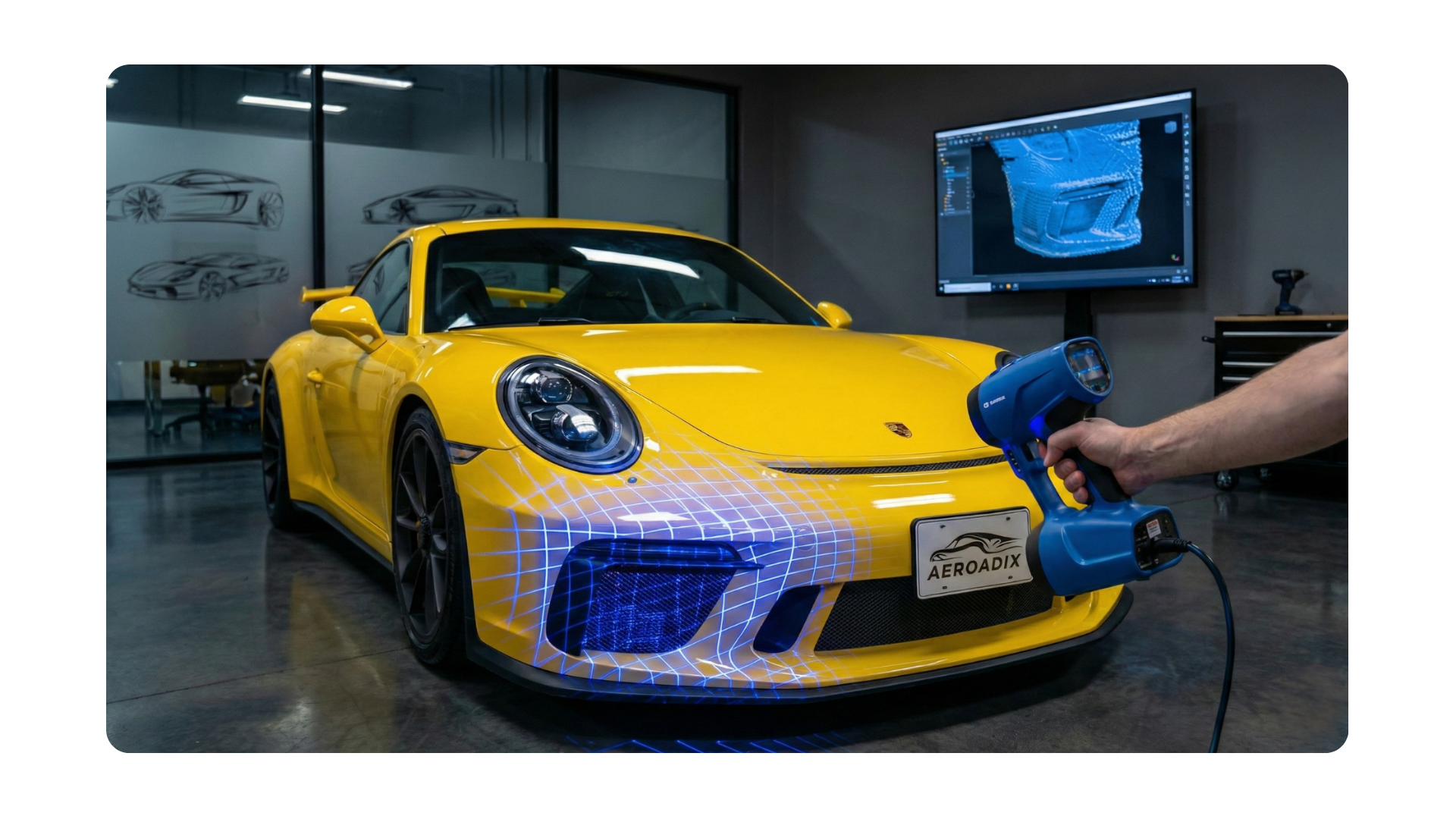
A Division of 3DBoomPrint
"AeroAdix is an Automotive Aero OE-Plus Optimization Company. A Division of 3DBoomPrint — bridging the gap between imagination and fabrication through cutting-edge CAD and precision additive manufacturing."
"3D-Scanned, CFD-Engineered, 3D-Designed, 3D-Printed functional additive aero. Direct fit bolt-on performance aero components and accent trim, engineered for elite performance vehicles."